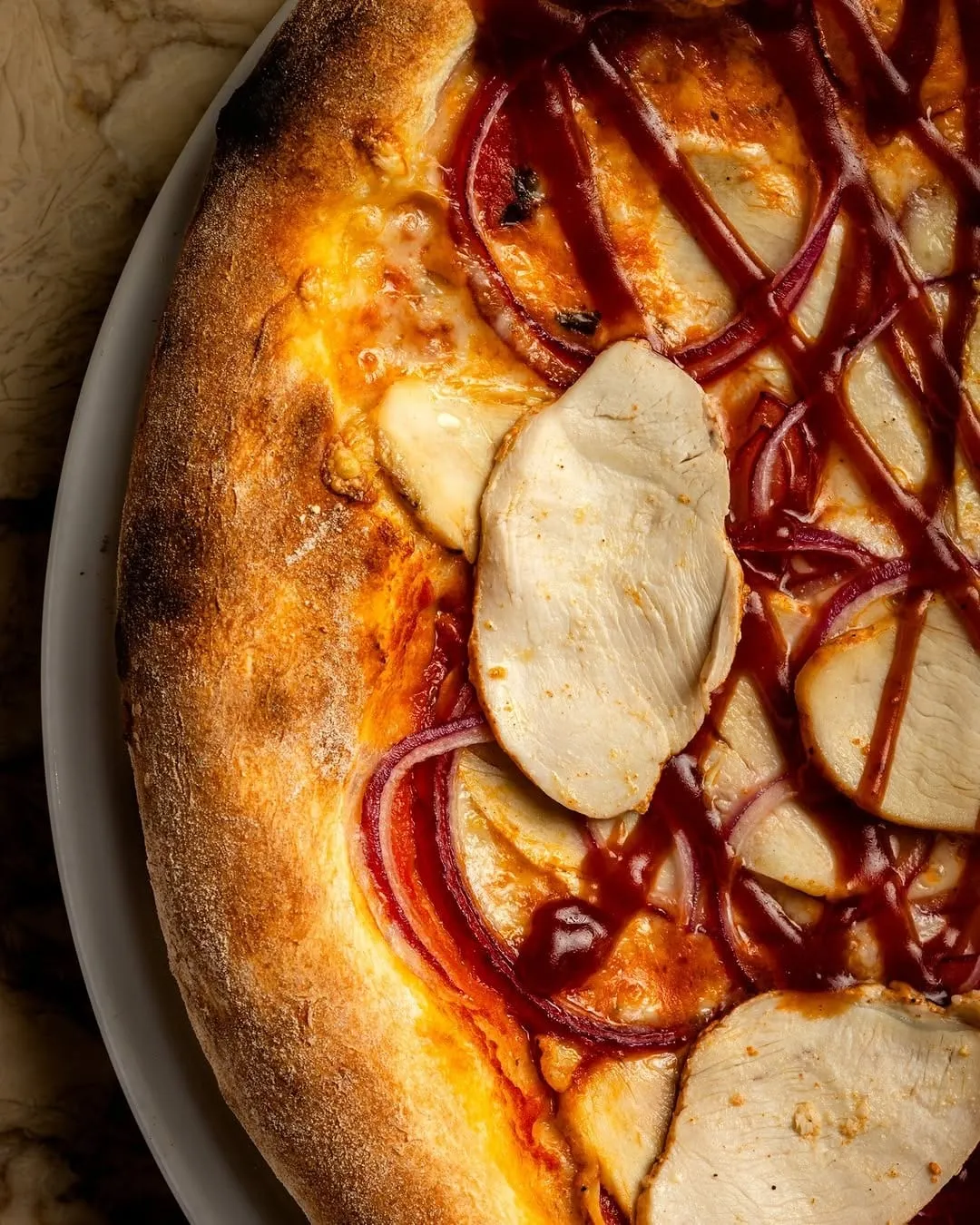
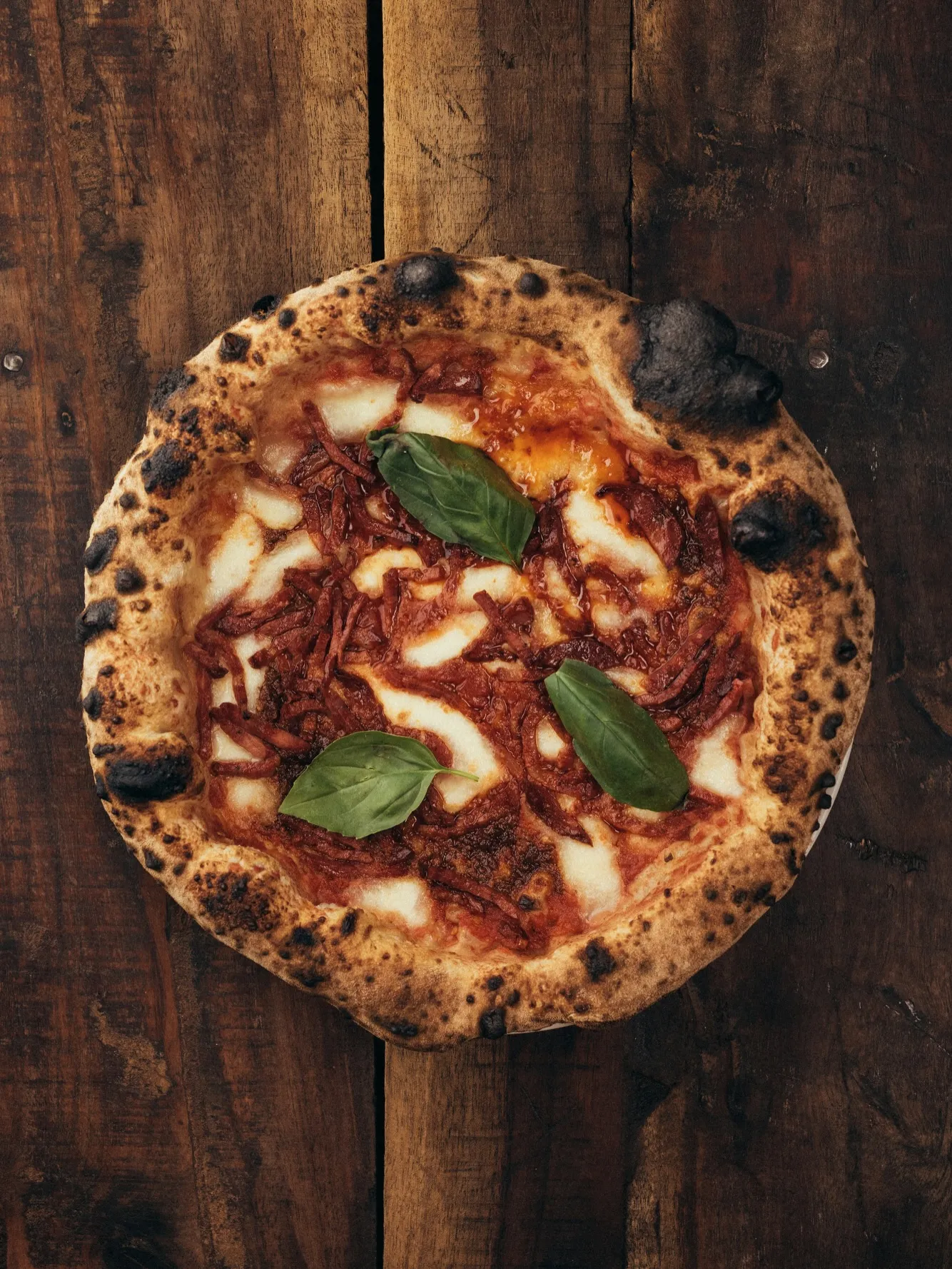
Lisbon's pizza is made by people who did not come to it from Italy. Is choosing Portuguese flour a tradition, or only a sourcing decision?
Portugal · 10 spots selected · last checked 2026-09-18
Lisbon's pizza is being made by people who did not come to it from Italy. Lupita was opened by two Brazilians who use only Portuguese stone-ground flour and say plainly they are not chasing Neapolitan certification; Jezzus is a Portuguese group working Portuguese flour and a full sourdough starter, and its own local press credits it with giving Neapolitan-style pizza a Portuguese stamp; Casanova has been running since 2000, a decade and a half before the current wave, and appears on nobody's current best-of list. Hold that loosely. A Naples-built oven sits in Lupita's room, the consultant came from Brooklyn, and choosing local flour is a sourcing decision rather than a tradition. What can be said today is narrower and still worth saying: this is not a city that bought a Neapolitan franchise.
Population
575,739 (as of 2024-01-01)
Boundary
The concelho of Lisboa. Not Almada, Oeiras or the wider Área Metropolitana.
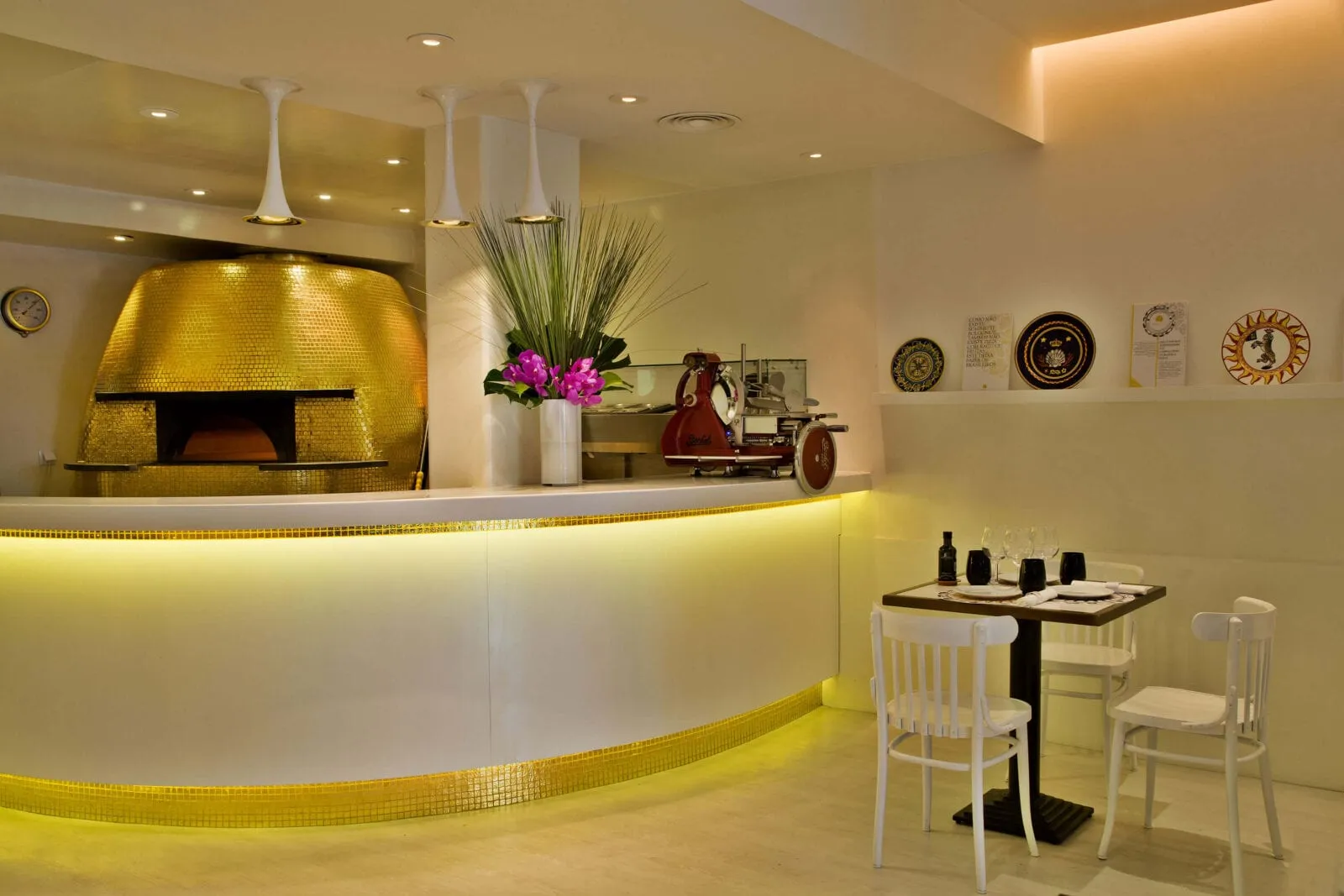
Tanka Sapkota built a wood-fired oven on site with volcanic stone and gold leaf brought from Naples. The dough rises on a natural levain given to him by Gabriele Bonci and is kneaded for an airy, tall crumb that he insists is the genuine Neapolitan style, not the thin crispy version fashionable in Portugal.
Owner Pedro Azevedo took an intensive pizzaiolo course in Naples in January 2018 and brought back two classmates to open the pizzeria; NiT reports the Marana oven imported from Italy reaching 480°C, a 90-second bake time cited as one of the Associazione Verace Pizza Napoletana's own rules, and a dough that ferments 16–24 hours. Tasting Table separately reports AVPN certification was subsequently granted.
Lupita was opened in October 2019 by two Brazilians, Marcelo Parente and pizzaiolo Duda Ferreira, and is one of the clearer counter-examples to Lisbon's Italian-import pattern: Observador and NiT both report the founders deliberately distanced the project from 'pizzaria italiana' orthodoxy, using exclusively Portuguese flour (Paulino Horta) in a naturally leavened dough fermented 48 hours, while the electric copper oven itself was still imported from Naples (Izzo brand, 500°C). Brooklyn's Anthony Falco (Roberta's) consulted on the recipes as his first European project.
The dough is made on site with organic flour from a family producer in Torres Vedras and ferments 26–48 hours, and describes the house style explicitly as a cross between Neapolitan and Roman — thin dough with a fuller rim — rather than either alone, which the DISCIPLINE enum does not have a value for. Pizzaiolo Mario Diaco joined from Italy's Adriatic coast after founder Matteo Bravi's holiday there; the tomato sauce, fior di latte and Bufala Campana DOP are sourced from Naples.
Bruno Cardinale, from a Palermo family that ran several pizzerias, opened Retrogusto84 in 2017 as his first Lisbon pizzeria, and NiT quotes him describing it as carrying more Sicilian influence than his later restaurant: a thinner, crunchier dough, distinct from the taller Neapolitan-leaning dough at his newer Retrogusto Experience. The business's own site confirms the dough is a three-flour blend aged a minimum of 48 hours.
Valdo Gatti's own site describes its process in detail: 100% Italian organic semi-wholewheat flour, a house lievito madre, hand-harvested salt and cold-pressed organic olive oil, a roughly two-day rise, and pizzaiolos hand-stretching a cornicione. NiT's year-end 2018 round-up of that year's best new restaurants independently confirms a wood-fired oven with a rotating stone. No individual maker is named in any source found.
Casanova is not on the seed list and predates almost every other record found in this city. Maria Paola Porru, an Italian who had moved to Portugal to study cinema in the 1970s, opened it in 2000 on a quay by the Tejo, when thin, crispy wood-fired pizza was still uncommon here. The pizzeria has occupied the same riverside warehouse space for over two decades, one of only two original tenants (alongside the Lux nightclub) still there.
Tiago Jesus, of the family hospitality group Alfredo de Jesus (roughly 40 venues), is the person behind Jezzus, which opened in soft form in November 2022 in Anjos. The oven itself was imported from the Vesuvius area of Italy and built with Vesuvius stone, but everything else is deliberately Portuguese: stone-ground Portuguese flour, a 100% sourdough starter (massa mãe) fermented 48–72 hours, and seasonal, organic ingredients from small and mid-sized national producers.
House pizzas are stretched in front of customers at the counter and baked in one of three ovens on site, in a small Baixa storefront that previously housed a sandwich shop. The evidence found is thin — no named pizzaiolo and no oven type — but it does establish that the dough is made on the premises rather than bought in.
Two bankers who quit in Rome, one of whom ran a pizza food truck in France before landing in Lisbon, put a wood-fired oven from Naples into the ground floor of the other's hostel. That is an unlikely route to a serious Neapolitan pizzeria, and the result is treated as one of the city's best by people who ate it rather than announced it. Lisbon has no shortage of Italians cooking Italian food; what distinguishes this one is the narrowness of the ambition — a short Neapolitan menu, ingredients carried from Italy, and a room rebuilt around the oven rather than the other way round.
Verified 2026-10-01
Research notes
City boundary
The concelho of Lisboa. Not Almada, Oeiras or the wider Área Metropolitana.